
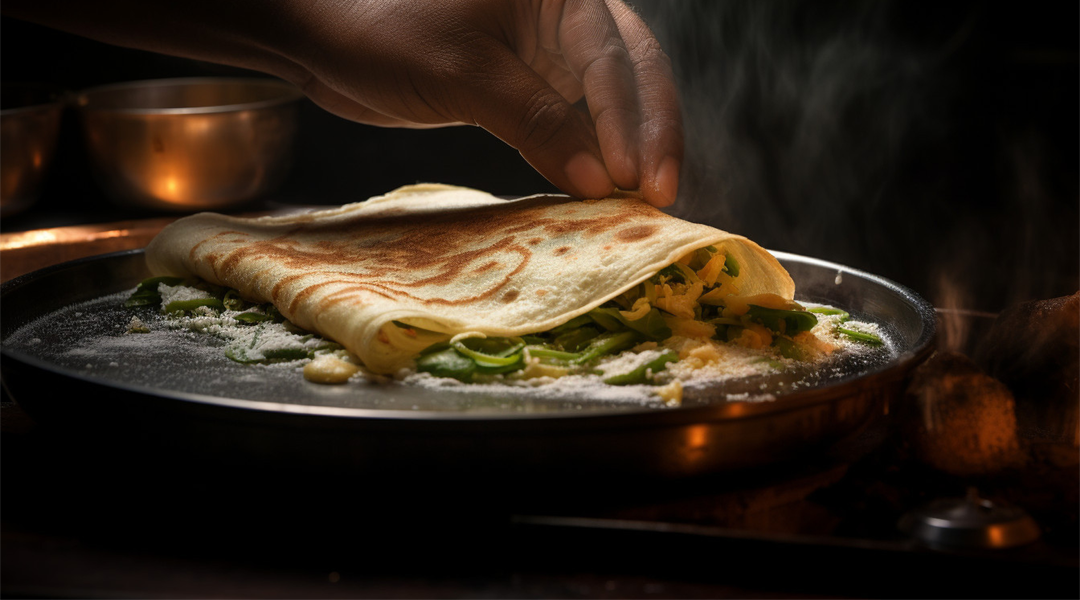
Adding crepes to a menu is not just a product decision.
It is a system decision.
Restaurants that introduce crepes are not just expanding offerings. They are simplifying production, increasing flexibility, and improving margin potential across multiple service periods.
Crepes allow operators to serve more menu items from a single process, which makes them one of the most efficient additions to a modern kitchen.
The value comes from how they perform operationally.
Crepes Expand Menu Options Without Adding Complexity
Most menu expansions increase workload.
New items usually require new ingredients, new preparation methods, and additional training. This slows down service and increases the chance of inconsistency.
Crepes work differently.
A single batter can support multiple menu categories:
Breakfast
Brunch
Lunch
Dessert
This allows restaurants to expand offerings without changing the core process.
One Base, Multiple Revenue Streams
Crepes create flexibility.
The same base can be used for sweet or savory items, which allows operators to build a wider menu without adding complexity to the kitchen.
Examples include:
Sweet crepes with fruit or spreads
Savory crepes with eggs, meats, or vegetables
Dessert crepes for upsell items
Each variation uses the same preparation method.
More menu options without more prep increases efficiency.
Faster Cook Time Improves Throughput
Speed directly impacts revenue.
Crepes cook faster than thicker batter items. This allows kitchens to serve more customers during peak periods without increasing staff or equipment.
Faster production leads to:
Higher order volume
Shorter wait times
Improved customer flow
Higher throughput increases revenue potential without increasing cost.
Lower Ingredient Usage Per Serving
Crepes use a thin batter.
This means less product is required per serving compared to thicker items. Over time, this improves cost control and supports better margins.
When combined with consistent portioning, this creates predictable cost per item.
Lower input cost supports higher profitability.
Simplified Training and Staffing
Training is one of the largest operational challenges.
Menus with multiple batters and preparation methods require more time and supervision. This increases labor cost and slows onboarding.
Crepe-based systems simplify training.
Staff learn one process:
Mix
Pour
Cook
Fewer steps reduce errors and speed up onboarding.
Consistency Across Service Periods
Consistency affects customer experience.
Crepes are built on a repeatable process. When batter and technique are consistent, results remain stable across shifts and staff.
Alamarra’s Original Style Crepe Mix supports this by providing a just-add-water batter that performs consistently in commercial kitchens.
This reduces variation and improves reliability.
Versatility Supports Upselling
Crepes create natural upsell opportunities.
Because they can be customized easily, operators can offer premium variations with minimal additional effort.
Upsell opportunities include:
Specialty fillings
Premium toppings
Dessert-style presentations
These additions increase average ticket size without changing the base process.
Flexible menu items support higher revenue per order.
Efficient Use of Kitchen Space
Kitchen space is limited.
Items that require multiple prep stations or specialized equipment create inefficiency.
Crepes require:
One batter
One cooking surface
One process
This makes them ideal for:
Small kitchens
Food trucks
High-volume operations
Efficiency improves when the process is streamlined.
Reduced Waste Through Consistency
Waste affects profitability.
Inconsistent batter and complex preparation lead to failed batches and remakes.
This increases ingredient cost and slows production.
Crepes, when produced with a stable system, reduce these issues.
Consistent batter leads to predictable output and less waste.
Adapting to Customer Demand
Customer preferences continue to change.
Crepes allow restaurants to adapt quickly because the base remains the same. Operators can introduce new flavors or menu items without changing the process.
This supports:
Seasonal menus
Limited-time offerings
Customization trends
Flexibility allows faster response to demand.
Ingredient Standards and Customer Perception
Ingredient quality affects both performance and perception.
Alamarra’s crepe mixes are GMO free and preservative free. They are also soy free and contain zero trans fats.
Gluten free options are produced in separate facilities to reduce cross-contact risk.
This supports both operational consistency and customer expectations.
Long-Term Operational Advantage
Crepes are not just a menu addition.
They support a more efficient system.
By reducing complexity, improving speed, and increasing flexibility, crepes allow restaurants to operate more effectively at scale.
Efficiency at the process level creates long-term business value.
FAQs About Scaling Crepe Menus
Crepes are versatile, fast to produce, and use a single batter for multiple items. This allows restaurants to expand offerings while keeping preparation simple and consistent.
Yes. Crepes require less batter per serving, cook quickly, and support upsell options, which helps increase margins and overall revenue potential.
No. Crepe production follows a simple, repeatable process. This reduces training time and helps staff produce consistent results across shifts.
Yes. Crepes work for breakfast, lunch, and dessert menus. Their flexibility allows restaurants to serve multiple items from one base.
Yes. A consistent batter and repeatable process reduce failed batches and remakes, improving overall efficiency and cost control.
Crepes allow easy customization with different fillings and toppings, making it simple to introduce new menu items without changing preparation methods.
A Smarter Way to Expand Your Menu
Adding crepes is not just about offering something new.
It is about improving how the kitchen operates.
Crepes simplify production, increase flexibility, and support higher-margin menu items without adding complexity.
Alamarra’s Original Style Crepe Mix provides a consistent foundation that helps restaurants expand their menu, improve efficiency, and increase profitability.