
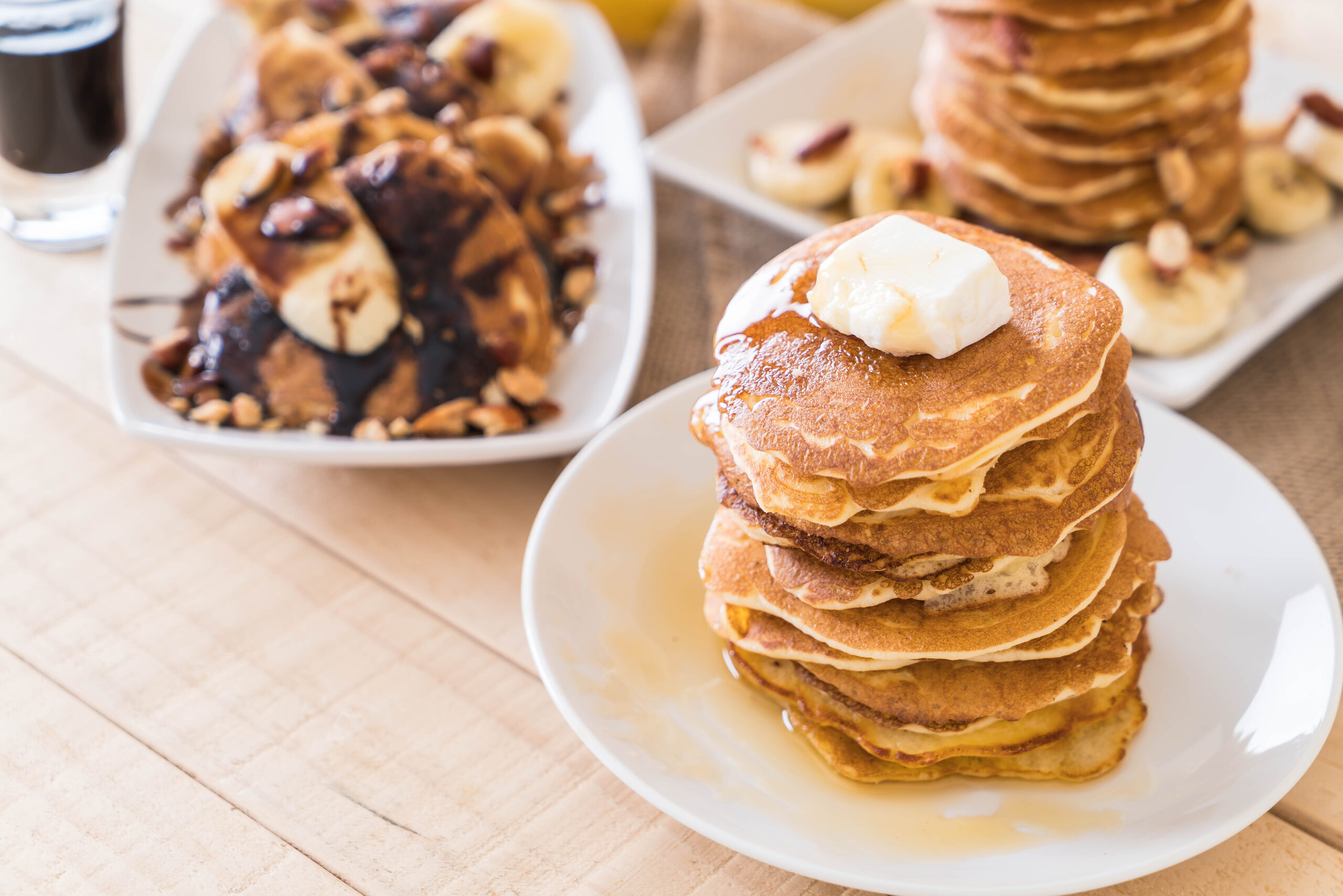
Food waste is one of the most overlooked costs in a restaurant kitchen.
It rarely shows up as a single large loss. Instead, it builds slowly through small, repeated issues. A batch of batter that does not perform. Pancakes that do not meet quality standards. Leftover product that cannot be used.
Over time, these losses add up.
Reducing food waste in pancake and waffle production starts with consistency. When the process is controlled, waste drops and output becomes more predictable.
Waste is not just a product issue. It is a system issue.
Where Food Waste Actually Comes From
Most kitchens associate waste with unused ingredients.
In reality, a large portion of waste comes from inconsistency in preparation. When batter changes from batch to batch, the final product becomes less reliable.
This leads to product that cannot be served, or product that needs to be remade.
The most common causes include uneven batter consistency, incorrect ratios, and variations in mixing. These problems often occur during busy service periods when speed takes priority over precision.
Even when recipes are followed, results vary depending on who prepares the batch.
Why Batter Consistency Is the Root Issue
Pancakes and waffles depend on balance.
Moisture, ingredient ratios, and mixing all affect how batter cooks. When these variables change, the result changes.
A batter that is too thin spreads unevenly and cooks inconsistently. A batter that is too thick produces dense or undercooked results. In both cases, product is lost.
In high-volume kitchens, this inconsistency is repeated throughout the day.
Every inconsistent batch increases the likelihood of waste.
A More Controlled Approach to Production
The most effective way to reduce waste is to remove variability at the start of the process.
Alamarra’s Pancake and Waffle Mix is designed to produce consistent batter using a simple just-add-water method.
Instead of measuring multiple ingredients, staff follow one step. Add water, mix, and cook.
Because the formulation is controlled, the batter performs the same way every time. This reduces the number of failed batches and improves overall yield.
Why Formulation Impacts Waste
Waste is directly tied to how batter behaves during cooking.
Moisture levels determine how the batter spreads and sets. Ingredient balance controls structure and texture. Heat affects browning and final consistency.
When these variables are not controlled, product becomes unpredictable.
A commercial mix controls these variables before cooking begins.
This allows kitchens to produce consistent results, which reduces the likelihood of unusable product.
Waste from Overproduction
Another common source of waste is overproduction.
When batter consistency is unreliable, kitchens often produce extra to compensate. This creates a buffer for mistakes, but it also leads to unused product.
At the end of service, excess batter may need to be discarded.
A consistent system reduces the need for overproduction. When output is predictable, kitchens can produce closer to actual demand.
Reducing Remakes and Rework
Remakes are one of the most direct forms of waste.
When pancakes or waffles do not meet quality standards, they must be replaced. This increases ingredient usage and slows down service.
Inconsistent batter is a leading cause of remakes.
A standardized mix reduces this issue by producing reliable results across every batch.
Fewer remakes mean lower waste and faster service.
Improving Portion Control
Portion inconsistency also contributes to waste.
If batter is not uniform, portions vary. This leads to uneven cooking and inconsistent product size, which may not meet service standards.
A stable batter allows for more accurate portioning.
This improves consistency across orders and reduces the amount of product that needs to be discarded.
Training Staff to Reduce Waste
Staff training plays a role in waste reduction.
Complex recipes require more training and create more opportunities for error. New employees may struggle to maintain consistency, especially during busy periods.
A simplified system reduces this risk.
With a standardized mix, staff can quickly learn the process and produce consistent results without constant supervision.
Simpler systems lead to fewer mistakes and less waste.
Waste Reduction Through Menu Consistency
Offering multiple menu items can increase complexity.
Different recipes require different preparation methods, which increases the likelihood of inconsistency and waste.
A standardized mix allows operators to streamline production while still offering variety.
Many kitchens use:
Vanilla Pancake and Waffle Mix for core items
Chocolate Pancake and Waffle Mix for dessert options
Vanilla Pancake and Waffle Mix Gluten Free for allergen-conscious menus
Each product uses the same preparation method, which reduces variation.
Ingredient Standards and Waste Control
Ingredient quality also affects waste.
Alamarra’s mixes are GMO free and preservative free. They are also soy free and contain zero trans fats.
Consistent ingredients contribute to predictable performance, which reduces the likelihood of failed batches.
Reliable formulation supports both quality and efficiency.
Scaling Production Without Increasing Waste
As volume increases, waste often increases with it.
More batches mean more opportunities for inconsistency. More staff means more variation in preparation.
A standardized system helps control this growth.
By maintaining consistent batter performance, kitchens can increase output without increasing waste.
Consistency allows operations to scale efficiently.
FAQs About Reducing Food Waste in Restaurants
Inconsistent batter, incorrect ratios, and uneven preparation lead to unusable product and increased waste.
Standardizing the process and using consistent formulations helps reduce variability and improve yield.
Yes. A properly formulated mix produces consistent results, which reduces failed batches and remakes.
When batter varies, the final product becomes unpredictable, leading to product that cannot be served.
Yes. Simplifying the process reduces errors and allows staff to produce consistent results more easily.
Yes. Reducing waste lowers ingredient costs and improves overall kitchen efficiency.
A Smarter Way to Reduce Food Waste
Food waste is not just a cost issue. It is a process issue.
When preparation is inconsistent, waste becomes unavoidable. When the process is controlled, waste can be reduced significantly.
Alamarra’s Pancake and Waffle Mix provides a consistent foundation that helps kitchens reduce waste, improve efficiency, and maintain reliable output.
Reducing waste starts with controlling the variables that create it.