Posted on

GMO Free Pancake Mix for Restaurants: Why It Matters Now

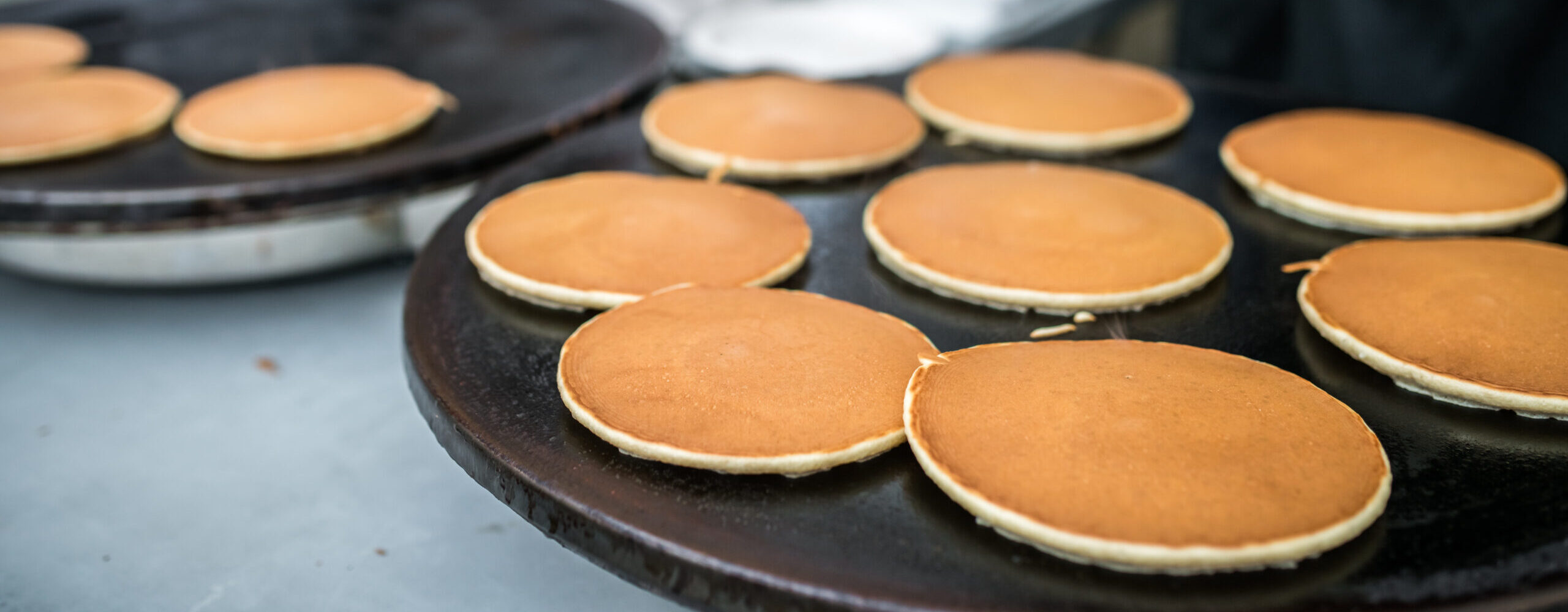
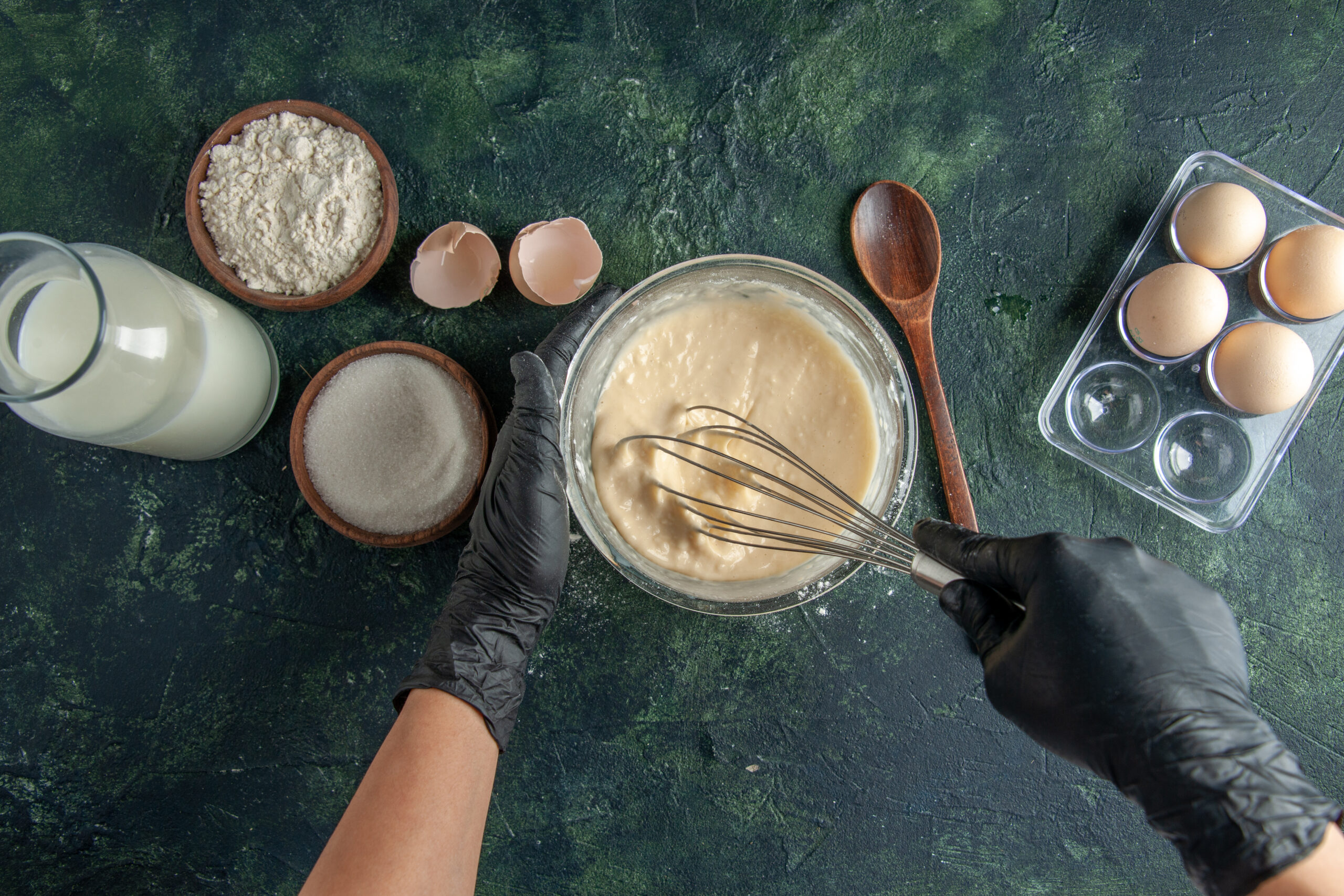
clean label pancake batter restaurant griddle cooking

Clean-label expectations are no longer limited to grocery stores.


Restaurant guests are paying closer attention to ingredients, sourcing, and how food is made. What used to be a niche concern is now part of everyday decision-making, even in fast-paced foodservice environments.


That is why more operators are moving toward GMO free pancake mixes like Alamarra’s, which combine ingredient transparency with consistent commercial performance.


In today’s market, quality includes both what is in the product and how it performs in the kitchen.

Why Ingredient Transparency Is Driving Change

Customers are more informed than before.


They are reading labels, asking questions, and making decisions based on ingredient standards. Terms like GMO free, preservative free, and soy free influence perception, even when customers are not directly asking about them.


This shift affects how restaurants position their menus and how customers evaluate quality.


When ingredient standards are clear, trust increases. When they are not, perception becomes uncertain.


Transparency has become part of the dining experience.

Clean Ingredients Without Losing Performance

For many operators, the concern is not whether to move toward clean-label products. It is whether those products will perform reliably in a commercial setting.


High-volume kitchens require consistency, speed, and repeatable results. Products that do not perform consistently create operational issues, regardless of their ingredient profile.


This creates a common hesitation.


Operators often assume they must choose between clean ingredients and reliable performance.

A Better Approach to Clean-Label Performance

The right product removes that trade-off.


Alamarra’s Pancake and Waffle Mix is GMO free and preservative free while delivering consistent, repeatable results in commercial kitchens.


The formulation is built for performance first, with ingredient standards aligned to modern expectations.


Preparation remains simple. Add water, mix, and cook.


The batter performs consistently across batches, allowing operators to maintain efficiency without changing their workflow.

What GMO Free Means in Food Service

GMO free refers to ingredients that are not genetically modified.


In a restaurant setting, the technical definition is less important than what it represents. It signals that the operator is paying attention to ingredient sourcing and quality.


For customers, this translates into:

  • Greater confidence in the product

  • Stronger perception of quality

  • Alignment with personal preferences

Even when not explicitly requested, clean-label attributes influence decision-making.

Why It Matters More Today

Consumer expectations continue to evolve.


More guests are looking for simple, recognizable ingredients and transparency in how food is prepared. This trend is not limited to specific segments. It is becoming part of mainstream dining behavior.


Restaurants that respond to this shift strengthen their position in the market.


Those that ignore it risk falling behind as expectations continue to change.

Performance Still Comes First in Commercial Kitchens

Ingredient quality alone is not enough.


Pancake batter must still perform consistently under pressure. It must spread evenly, cook predictably, and deliver the same texture across every batch.


This depends on formulation.


Moisture balance affects how the batter cooks. Ingredient ratios determine structure and softness. Heat ensures even browning and finish.


A properly designed mix controls these variables before cooking begins.


Consistency in formulation ensures consistency in output.

GMO Free Mix vs Standard Mix

Factor Standard Mix GMO Free Commercial Mix
Ingredient Transparency Limited Clear
Consistency Variable Stable
Prep Complexity Higher Simplified
Customer Perception Neutral Positive
Output Inconsistent Predictable

Clean-label products are no longer a compromise. They are expected to perform at the same level as traditional commercial mixes.

Strengthening Brand Position Through Ingredients

Ingredient choices reflect how a brand positions itself.


Offering GMO free options communicates attention to quality and awareness of customer expectations. This influences how guests perceive the overall experience, even beyond a single menu item.


Consistency supports that perception.


When the product performs reliably, it reinforces the message that quality is built into every part of the operation.

Supporting Growth with Standardized Products

As restaurants grow, maintaining consistency becomes more challenging.


More locations, more staff, and higher volume increase the risk of variability. Ingredient changes should not add complexity to the process.


A standardized mix allows operators to maintain consistent results while meeting updated ingredient expectations.


This supports:

  • Stable product quality across locations

  • Faster training for new staff

  • Consistent preparation methods

  • Scalable operations without disruption

Growth becomes more manageable when the process remains consistent.

Product Flexibility Within Clean-Label Standards

Operators often need flexibility while maintaining consistency.


A standardized mix allows for variation without changing preparation methods.


Many kitchens use:

  • Vanilla Pancake and Waffle Mix for core menu items

  • Chocolate Pancake and Waffle Mix for premium offerings

  • Vanilla Pancake and Waffle Mix Gluten Free for allergen-conscious menus

Each product maintains the same preparation process, which supports both efficiency and consistency.

FAQs About GMO Free Pancake Mix for Restaurants

GMO free pancake mix is made without genetically modified ingredients and supports clean-label menus in food service.

Restaurants use it to meet customer expectations, improve ingredient transparency, and strengthen brand trust.

No. A properly formulated mix delivers consistent texture and performance in commercial kitchens.

Yes. Many customers view GMO free products as higher quality and more transparent.

Yes. Commercial GMO free mixes are designed for consistent output in high-volume environments.

No. A standardized mix maintains the same preparation method, so workflow stays consistent.

A Smarter Way to Meet Modern Expectations

Clean-label demand is not a passing trend.


It is a shift in how customers evaluate food and how brands build trust.


Restaurants that combine ingredient transparency with consistent performance are better positioned to meet these expectations.


Alamarra’s Pancake and Waffle Mix provides a reliable solution that supports both clean-label standards and high-volume performance.
 

Upgrade Your Ingredient Standards Today

Posted on

What Is the Best Commercial Crepe Mix for Restaurants?

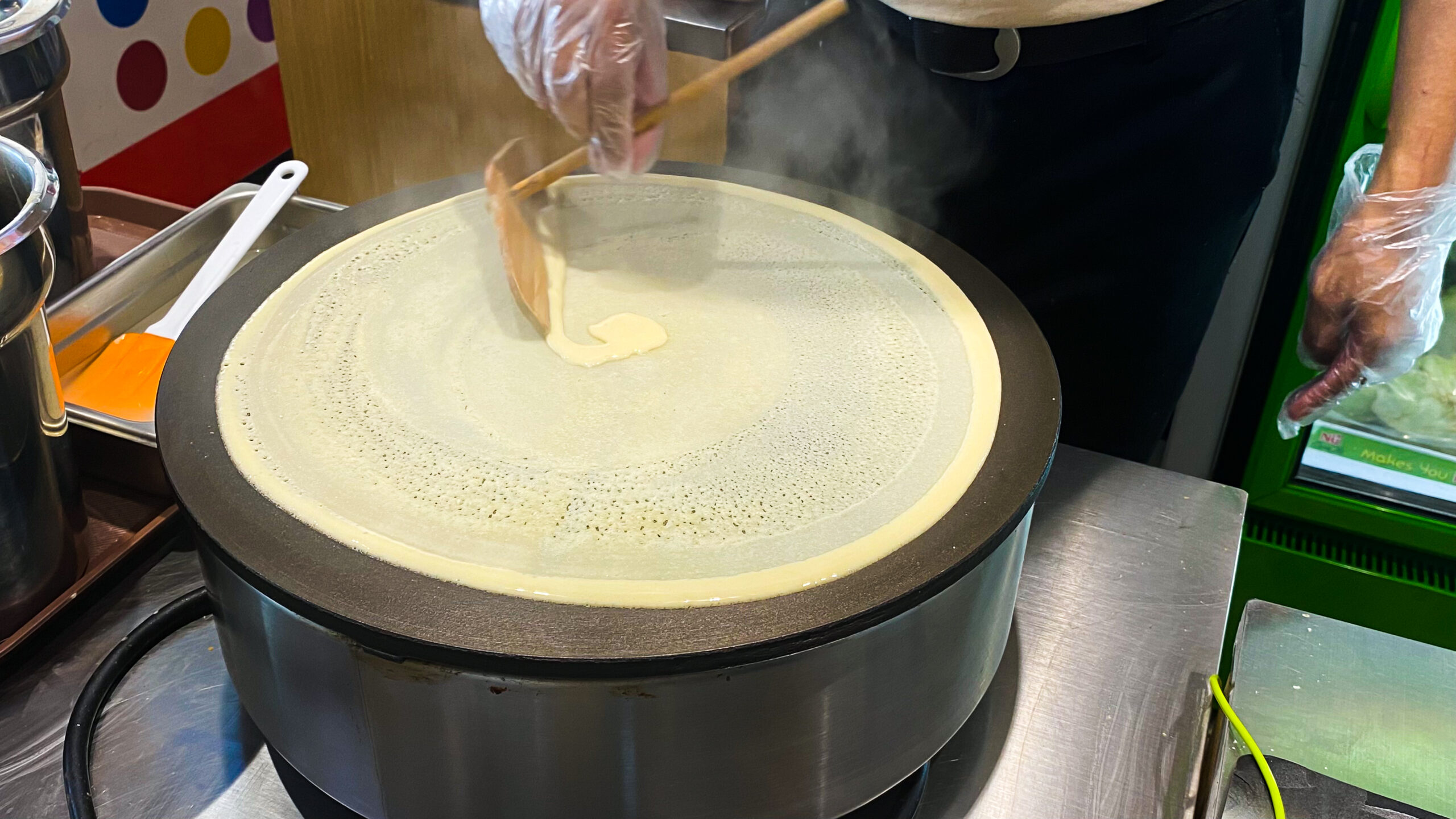
commercial crepe mix batter spreading evenly griddle

Choosing the best commercial crepe mix is not about preference.


It is about performance.


In restaurant environments, crepes must be produced quickly, consistently, and without failure during service. A mix that performs well in small batches but breaks down under pressure is not suitable for commercial use.


The best commercial crepe mix is one that delivers consistent batter, reliable cooking performance, and a repeatable process across every shift.


For most operators, that means moving away from variable recipes and toward a controlled, commercial formulation.

Why Crepe Mix Quality Matters More Than You Think

Crepes are one of the most sensitive menu items to produce.


They are thin, require even spreading, and must remain flexible without tearing. Small inconsistencies in batter immediately show up in the final product.


In a busy kitchen, this creates risk.


If the mix is not consistent:

  • Crepes may tear

  • Batter may not spread evenly

  • Cooking times may vary

  • Staff must constantly adjust

This slows production and increases waste.


The right mix eliminates these variables.

What Defines the “Best” Commercial Crepe Mix

The best mix is not the cheapest or the most widely available.


It is the one that performs reliably under real kitchen conditions.


There are four key factors operators should evaluate.

1. Consistent Batter Performance

The batter must behave the same way every time.


This includes:

  • Smooth, even spreading

  • Stable texture

  • Reliable cooking results

Consistency is what allows kitchens to maintain quality across batches and staff.

2. Simple Preparation Process

Complex preparation slows down service.


The best commercial mixes use a simplified process that reduces variability.


Alamarra’s Original Style Crepe Mix uses a just-add-water method, allowing kitchens to produce consistent batter without measuring or adjusting ingredients.


This removes one of the biggest sources of error in crepe production.

3. Performance Under Pressure

Restaurant kitchens operate at speed.


The mix must perform during continuous production without breaking down or requiring adjustments.


This means:

  • Stable batter over time

  • Reliable structure during cooking

  • Consistent results across high volume

A mix that only works in controlled conditions is not suitable for commercial use.

4. Scalability Across Operations

The best mix works the same way regardless of volume.


Whether producing small batches or running high-volume service, the results should remain consistent.


This is especially important for:

  • Multi-location operations

  • Creperies

  • High-turnover kitchens

Scalability ensures long-term reliability.


Find the Right Crepe Mix for Your Operation

Why Formulation Determines Performance

Crepe batter must balance structure, hydration, and heat response.


If any of these variables are off, performance suffers.


Too much moisture weakens the batter and leads to tearing. Too little moisture prevents proper spreading. Inconsistent formulation creates uneven cooking results.


A commercial mix controls these variables in advance.


This allows kitchens to produce consistent crepes without adjusting the process during service.


Comparing Commercial Crepe Mix Options

Factor Retail/Basic Mix Commercial Crepe Mix
Consistency Variable Stable
Prep Complexity Higher Simplified
Batch Reliability Limited High
Scalability Difficult Designed for volume
Performance Inconsistent Predictable

The difference comes down to formulation and intended use.

Why Restaurants Choose Alamarra

Operators choose a mix based on performance, not marketing.


Alamarra’s Original Style Crepe Mix is designed specifically for commercial kitchens, delivering consistent batter and reliable results across all service conditions.


The just-add-water process simplifies preparation, while the formulation ensures smooth spreading and stable structure during cooking.


This allows restaurants to:

  • Maintain consistent product quality

  • Reduce waste from failed crepes

  • Improve service speed

  • Simplify staff training

The result is a more controlled and efficient production system.

Supporting Menu Flexibility

The best crepe mix should support a wide range of menu applications.


Crepes can be used for:

  • Sweet breakfast items

  • Savory dishes

  • Dessert-style offerings

A consistent base allows operators to expand their menu without adding complexity.


Many kitchens pair:

  • Original Style Crepe Mix for core items

  • Golden Crepe Mix for richer texture

  • Buckwheat Crepe Mix for savory options

  • Original Style Crepe Mix Gluten Free for dietary needs

Each option maintains the same preparation method.

Ingredient Standards and Reliability

Ingredient quality plays a role in both performance and perception.


Alamarra’s crepe mixes are GMO free and preservative free. They are also soy free and contain zero trans fats.


Gluten free options are produced in separate facilities to reduce cross-contact risk.


Reliable ingredients support consistent results.

Reducing Risk in Crepe Production

Inconsistent crepe mix creates operational risk.


Failed batches, tearing, and uneven results slow down service and increase waste.


A consistent commercial mix reduces these risks.


Predictable batter leads to predictable output.


This allows kitchens to operate with greater confidence during service.

FAQs About Commercial Crepe Mix

The best mix delivers consistent batter, simple preparation, and reliable performance in high-volume kitchens.

Crepes are sensitive to variation, so consistent batter is essential for even cooking and durability.

Yes. It simplifies preparation and reduces the need for adjustments during service.

It is designed for high-volume production, stable performance, and repeatable results.

Yes. Simpler methods reduce errors and improve consistency across staff.

For operators, the right mix is what turns crepe production into a controlled system.

Choosing the Right Crepe Mix for Your Kitchen

The best commercial crepe mix is not about preference.


It is about performance, consistency, and reliability.


When the mix is stable, the process becomes predictable. When the process is predictable, kitchens operate more efficiently.


Alamarra’s Original Style Crepe Mix provides a consistent, commercial-grade foundation that allows restaurants to produce high-quality crepes without added complexity.


For operators, the right mix is what turns crepe production into a controlled system.


Choose a Crepe Mix Built for Real Kitchen Performance →

Posted on

What Makes a Crepe Mix Reliable for High-Volume Operations?

High-volume kitchens do not have room for inconsistency.

During peak service, production must remain stable across every batch, every shift, and every team member. If a crepe mix behaves differently under pressure, it creates delays, waste, and inconsistent results.

A reliable crepe mix is defined by how it performs at scale, not how it performs in small batches.

Consistency under continuous production is what matters.

Why High-Volume Production Exposes Weaknesses

Crepe production becomes more demanding at scale.


In small batches, staff can adjust batter, timing, and technique to compensate for variation. In high-volume environments, those adjustments are not practical.


Production is continuous, and output must remain consistent.


Common issues at scale include:

  • Batter consistency shifting during service

  • Heat fluctuations affecting cooking

  • Different staff producing different results

Any variability becomes more visible and more costly under volume.

The Core Characteristics of a Reliable Crepe Mix

Reliability comes from stability.

A crepe mix must deliver consistent performance regardless of volume, staff, or service conditions.

Consistent Batter Performance Over Time

Batter must remain stable from the first batch to the last.

If consistency changes during service, staff must adjust, which slows production and increases errors.

A reliable mix maintains the same texture and behavior throughout continuous use.

Simple, Repeatable Preparation

Complex preparation creates variation.

Alamarra’s Original Style Crepe Mix uses a just-add-water process, which removes measurement errors and ensures consistent preparation across all batches.

This creates a stable starting point for production.

Stability During Continuous Production

High-volume kitchens operate without breaks.


The batter must perform consistently even as it sits, is stirred, and is used over time.


A reliable mix holds its structure and cooking behavior throughout service.

Why Stability Matters at Scale

Crepe batter depends on hydration, structure, and heat response.


At high volume, even small shifts in these variables create noticeable differences in the final product.


If hydration changes, batter may become too thin or too thick. If structure is inconsistent, crepes may tear or cook unevenly.


A commercial crepe mix controls these variables before production begins.


This ensures consistent performance under continuous use.

Reducing Variability Across Staff

High-volume kitchens rely on multiple team members.

Each person may mix, pour, and cook slightly differently. Without a stable system, these differences create inconsistent results.

A reliable crepe mix reduces this variability.

With consistent batter, staff focus on execution instead of adjustment.

Standardized inputs create more consistent output across teams.

Managing Heat and Equipment Differences

Equipment behaves differently under continuous use.

Griddles may heat unevenly, and temperature can fluctuate during service. These changes affect how crepes cook.

A stable batter helps offset these variations.

When batter performance is consistent, the impact of equipment differences is reduced.

Supporting High-Speed Production

Speed increases pressure on the system.

During peak periods, staff must produce items quickly without stopping to adjust batter or technique.

A reliable crepe mix supports this by maintaining consistent behavior across batches.

Predictable performance allows faster, uninterrupted production.

Reducing Errors and Remakes

Inconsistent batter leads to errors.

Crepes may tear, cook unevenly, or require remakes. Each failure slows production and increases waste.

A reliable mix reduces these issues.

Fewer errors improve efficiency and overall output.

Maintaining Consistency Across Locations

For multi-location operations, reliability must extend beyond one kitchen.

Each location must produce the same result using the same process.

A consistent crepe mix supports this by delivering identical formulation across all shipments.

Consistency at the product level supports consistency at the brand level.

Batch Management During Service

In high-volume environments, batter is used over extended periods.

If the batter separates or changes texture, performance becomes inconsistent.

A reliable mix maintains stability during service.

If the batter sits for longer periods, it should be stirred to maintain uniform consistency.

Managing batter condition helps maintain consistent results throughout production.

Ingredient Standards and Performance

Ingredient quality supports reliability.

Alamarra’s Original Style Crepe Mix is GMO free and preservative free, designed for stable performance in commercial kitchens.

Gluten free options are produced in separate facilities to reduce cross-contact risk.

Consistent ingredients contribute to consistent results.

Why Reliability Drives Efficiency

Reliability is not just about quality.

It directly affects efficiency, cost, and output.

Unreliable systems require constant adjustment, which slows production and increases labor. Reliable systems allow staff to focus on execution.

Consistency improves both speed and cost control.

FAQs About Crepe Mix Reliability

A reliable mix maintains consistent batter performance, requires simple preparation, and performs the same way across continuous production without needing adjustments.

Batter can shift due to time, temperature, or mixing inconsistencies, which affects texture and cooking performance during high-volume use.

A commercial mix standardizes formulation, removing differences in ingredient measurement and preparation across batches.

Yes. Consistent batter reduces the need for adjustments, allowing staff to maintain a steady workflow during peak service.

Yes. Heat fluctuations and surface differences can impact cooking, but stable batter helps reduce these effects.

Consistent batter reduces failed crepes and remakes, which improves yield and lowers overall ingredient waste.

A More Reliable Approach to High-Volume Crepe Production

High-volume kitchens depend on consistency.


When batter, process, and performance are stable, production becomes predictable. When they are not, errors increase and efficiency drops.


Crepe systems perform best when built on controlled inputs and repeatable processes.


Alamarra’s Original Style Crepe Mix provides a consistent foundation that supports reliable performance, reduces variability, and improves efficiency in high-volume operations.


Improve High-Volume Crepe Performance Today

Posted on

How Hotel Groups Deliver Consistent Crepe Quality at Breakfast Buffets

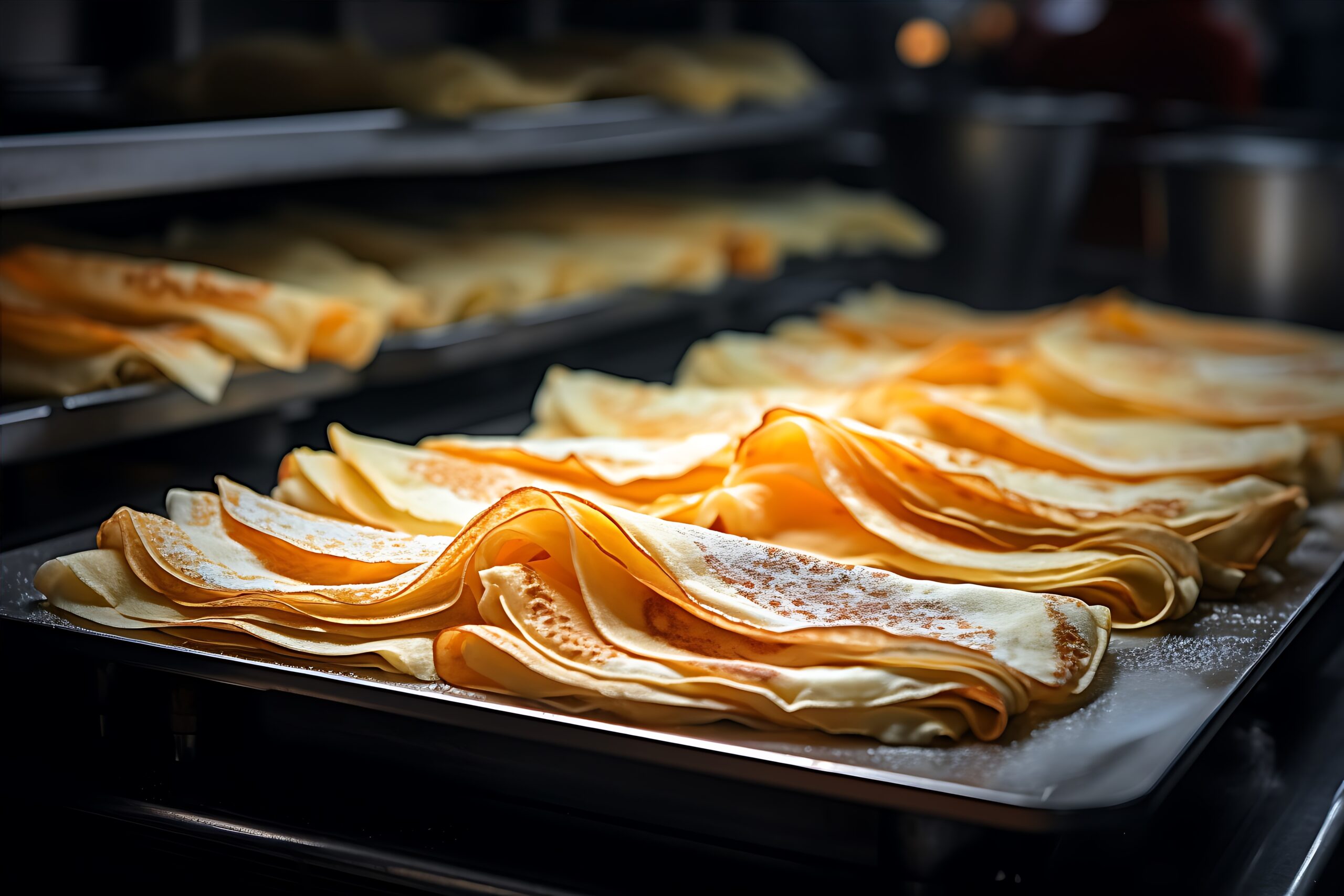
Pancakes with chocolate syrup and plums

Hotel breakfast service depends on consistency.


Guests expect the same quality every day, regardless of location, occupancy level, or staff changes. Buffet environments make this more difficult because production is continuous and volume fluctuates.


Crepes add another layer of complexity. They require proper batter consistency, stable heat, and correct handling to maintain quality.


Hotel groups maintain consistent crepe quality by standardizing inputs, simplifying production, and using repeatable systems that perform under buffet conditions.


Consistency at scale requires control.

Why Buffets Create Consistency Challenges

Buffet service is different from made-to-order service.


Production is continuous, not batch-based. Food must be prepared ahead of demand while still maintaining quality throughout service.


Common challenges include:

  • Fluctuating demand during service

  • Holding product without quality loss

  • Multiple staff rotating through stations

  • Equipment running continuously

These factors increase the risk of variation.

Why Crepes Require a Controlled System

Crepes are sensitive to variation.


They rely on thin batter, even spreading, and precise timing. Small inconsistencies affect texture, flexibility, and appearance.


In buffet environments, this becomes more difficult to manage.


Without a controlled system:

  • Batter may change during service

  • Heat may fluctuate

  • Technique

  • may vary between staff

Consistency requires stable inputs and repeatable processes.

Standardizing Batter Across Locations

Consistency starts with batter.


If batter changes, results change. Hotel groups eliminate this variability by using controlled formulations that perform the same way every time.


Alamarra’s Original Style Crepe Mix provides a consistent, just-add-water batter that removes variation from measuring and mixing.


Each batch starts from the same baseline.


This ensures uniform performance across locations.


Deliver Consistent Buffet Quality with Alamarra → 

Maintaining Stability During Service

Buffet service runs for extended periods.


Batter sits, equipment stays on, and production continues without interruption. These conditions can affect performance if not managed correctly.


To maintain stability:

  • Batter should be stirred periodically

  • Heat should remain consistent

  • Production should follow a steady rhythm

Controlled systems prevent quality from drifting during service.

Managing Heat in Buffet Environments

Heat consistency is critical.


Buffet stations often run continuously, which can lead to temperature variation. If heat fluctuates, crepes cook unevenly and may lose structure.


Crepes perform best when:

  • The cooking surface is fully preheated

  • Temperature remains stable

  • Output is continuous, not sporadic

Stable heat supports consistent texture and appearance.

Training Staff for Buffet Production

Buffet service requires multiple staff members.


Different employees may rotate through the same station, which increases the risk of variation.


Standardized training reduces this issue.


With a consistent crepe process, staff can learn one method and repeat it across shifts.


Simplified systems improve consistency across teams.

Simplifying the Workflow

Buffet efficiency depends on flow.


Complex preparation slows down production and increases errors. Crepe-based systems simplify this by reducing the number of steps required.


With a consistent batter and process, staff can:

  • Prepare quickly

  • Cook consistently

  • Maintain output during peak periods

Fewer variables create smoother workflow.

Maintaining Quality While Holding Product

Buffet service requires holding product for short periods.


Crepes must remain flexible and visually consistent during this time. If they dry out or lose structure, quality drops quickly.


Proper handling includes:

  • Stacking and covering crepes

  • Avoiding overcooking

  • Maintaining steady production

Controlled handling preserves quality during service.

Supporting High-Volume Breakfast Operations

Hotel buffets must handle varying guest volume.


Production must scale up during peak hours without sacrificing quality.


Crepe-based systems support this because:

  • They cook quickly

  • They follow a repeatable process

  • They require minimal adjustment

Consistent systems perform better under pressure.

Reducing Waste in Buffet Service

Buffet operations must manage waste carefully.


Overproduction, inconsistent batter, and failed crepes all increase cost. In high-volume environments, this impact is significant.


A stable system reduces these issues.


Consistent batter and controlled production improve yield and reduce waste.

Ingredient Consistency Across Locations

Hotel groups require reliable ingredients.


Alamarra’s Original Style Crepe Mix is GMO free and preservative free, designed for consistent performance in commercial kitchens and buffet environments.


Gluten free options are produced in separate facilities to reduce cross-contact risk.


Consistent ingredients support consistent output.

Why Crepe Systems Work for Hotel Buffets

Crepes fit buffet operations.


They are fast to produce, flexible for menu variety, and easy to standardize across locations.


Unlike more complex breakfast items, they rely on a simple, repeatable process.


This makes them easier to control in high-volume environments.

FAQs About Crepe Quality in Hotel Buffets

Hotels use standardized batter, controlled cooking processes, and consistent training methods to ensure crepes are produced the same way across all locations and service periods.

Buffets require continuous production, staff rotation, and holding food during service, which increases the chance of variation if systems are not controlled.

Consistent batter ensures even cooking and stable texture, which helps maintain quality during continuous production and high-volume service.

Batter is stirred periodically to maintain consistency, and production is kept steady to prevent changes in texture during extended service.

Yes. Stable heat ensures even cooking and prevents texture issues that can occur when temperature fluctuates during continuous operation.

Yes. A commercial crepe mix provides consistent formulation, which helps reduce variability and supports reliable production during buffet service.

A More Reliable Way to Deliver Consistent Buffet Quality

Hotel breakfast service depends on consistency at scale.


Buffet environments introduce challenges that require controlled systems, stable inputs, and repeatable processes.


Crepe-based systems support these requirements by simplifying production and reducing variability.


Alamarra’s Original Style Crepe Mix provides a consistent foundation that helps hotel groups maintain crepe quality, improve efficiency, and deliver reliable breakfast service across all locations.


 Improve Buffet Consistency Across Your Locations →

Posted on

How Large Restaurant Chains Standardize Crepe Production Across Locations

Standardization is what allows restaurant chains to scale.


Without it, product quality shifts between locations, training becomes inconsistent, and operations become difficult to control.


Crepe production requires even more precision than most breakfast items. Thin batter, timing, and handling must stay consistent across every shift.


Large restaurant chains standardize crepe production by controlling inputs, simplifying processes, and building repeatable systems that work across all locations.


Consistency does not happen automatically. It is designed.

Why Crepe Production Requires Strong Standardization

Crepes are sensitive to variation.


Small differences in batter consistency, heat, or technique can change the final result. In a single location, experienced staff may adjust for these issues.


At scale, that approach does not work.


Multiple locations introduce:

  • Different staff

  • Different equipment

  • Different operating conditions

Without standardization, these variables lead to inconsistent output.

Controlling Inputs Across Locations

Standardization starts with inputs.


If ingredients or batter preparation vary, results will vary. Chains eliminate this risk by using controlled formulations that behave the same way every time.


Alamarra’s Original Style Crepe Mix provides a consistent, just-add-water batter that removes variation from measuring and mixing.


Every location starts with the same base.


This reduces differences before production begins.

Building a Repeatable Production Process

Standardization requires more than consistent ingredients.


The process itself must be repeatable.


Chains define:

  • Exact mixing procedures

  • Cooking temperature ranges

  • Spreading and flipping techniques

  • Holding and serving methods

Crepe production works well within this model.


One batter, one cooking method, and consistent timing create a system that can be repeated across locations.


Repeatability is what allows consistent output at scale.

Simplifying the System to Reduce Variation

Complex systems create inconsistency.


Multiple batters, variations in recipes, and frequent adjustments increase the chance of error. Chains reduce this by simplifying production.


Crepe-based systems support this approach.


With a single batter and consistent workflow, staff focus on execution instead of adjustment.


Simplification reduces variation across locations.

Training for Consistent Execution

Training must be consistent across all locations.


If each team learns a slightly different process, results will vary. Chains standardize training materials and focus on repeatable methods.


Simplified systems improve training outcomes.


With a consistent crepe process, staff can learn quickly and produce the same result regardless of location.


Training becomes more effective when the process is stable.

Managing Equipment Differences

Not every location uses identical equipment.


Differences in griddles, burners, and layouts can affect cooking performance. Chains address this by building systems that perform consistently across a range of conditions.


Stable batter reduces sensitivity to equipment variation.


When inputs are controlled, output becomes more consistent even with different setups.

Maintaining Consistency During High-Volume Service

Standardization must hold under pressure.


During peak hours, production speed increases and errors become more likely. Systems that require constant adjustment tend to break down.


Crepe-based systems maintain consistency because they reduce variables.


Consistent batter and repeatable technique support stable performance during high-volume service.

Preventing Operational Drift

Over time, processes can shift.


Staff may adjust recipes, change techniques, or modify timing. These small changes create differences between locations.


Chains prevent this by reinforcing standard procedures and using controlled inputs.


A consistent crepe mix helps maintain alignment across all teams.


Standardization must be maintained continuously.

Supporting Menu Flexibility Within a Standardized System

Standardization does not limit menu options.


Chains need flexibility to introduce new items without changing the system. Crepes allow this because one base supports multiple menu variations.


Operators can introduce:

  • Sweet menu items

  • Savory options

  • Seasonal variations

All without changing the core process.


Flexibility within a standardized system supports growth.

Reducing Waste and Improving Efficiency

Inconsistent production increases waste.


Failed crepes, uneven cooking, and remakes all reduce efficiency. At scale, this affects cost across multiple locations.


A controlled system reduces these issues.


Consistent inputs and processes improve yield and reduce waste.

Ingredient Standards Across Locations

Ingredient consistency supports both performance and brand perception.


Alamarra’s Original Style Crepe Mix is GMO free and preservative free, designed for reliable performance in commercial kitchens.


Gluten free options are produced in separate facilities to reduce cross-contact risk.


Consistent ingredients help maintain uniform results across all locations.

Why Crepe Systems Scale Effectively

Crepe production fits well into standardized systems.


It relies on a simple process, consistent batter, and repeatable technique. This makes it easier to control compared to more complex breakfast systems.


Controlled systems are easier to scale, train, and maintain.

FAQs About Standardizing Crepe Production

They use consistent ingredients, defined processes, and repeatable training systems to ensure each location produces the same results.

Crepes are sensitive to batter, heat, and technique, so small variations can affect the final product across different locations.

A commercial crepe mix provides a controlled formulation, allowing all locations to start with the same batter and process.

Yes. Standardized training ensures all staff follow the same process, which helps maintain consistent results.

They use stable processes and consistent inputs that perform reliably across different equipment setups.

Yes. Crepes allow multiple menu options from a single base, which supports variety without changing the core process

A Scalable Approach to Crepe Production

Standardizing crepe production is about control.


When inputs, processes, and training are aligned, results remain consistent across locations. Without that control, variation increases as operations grow.


Crepe-based systems support standardization by reducing complexity and improving repeatability.


Alamarra’s Original Style Crepe Mix provides a consistent foundation that helps restaurant chains maintain quality, improve efficiency, and scale with confidence.


Standardize Your Crepe Production Across Locations

Posted on

What Do Multi-Location Restaurants Look for in a Crepe Mix Supplier?

For multi-location restaurants, supplier decisions are operational decisions.


The wrong supplier creates inconsistency, slows down training, and introduces risk across every location. The right supplier supports standardization, efficiency, and growth.


When it comes to crepe production, operators look for suppliers that deliver consistent performance at scale, not just a product that works in small batches.


Consistency across locations starts with the supplier.

Why Crepe Mix Matters More at Scale

Crepes require precision.


They are thin, sensitive to batter consistency, and dependent on stable performance during cooking. Small variations in formulation show up immediately in the final product.


In a single location, experienced staff may compensate for these issues.


At multiple locations, that is not possible.


Multi-unit operators need a mix that performs the same way regardless of staff, volume, or environment.

The Core Requirements for Multi-Location Buyers

Enterprise buyers evaluate suppliers differently.


They focus on system performance, not just product quality.

Consistent Formulation Across Every Batch

Consistency is non-negotiable.


Each location must receive the same product with the same performance characteristics. Variations in formulation lead to inconsistent output, which affects brand perception.

Simple, Repeatable Preparation

Complex preparation creates variability.


Alamarra’s Original Style Crepe Mix uses a just-add-water process, allowing every location to follow the same preparation method without measuring or adjusting ingredients.


This reduces differences between teams and locations.

Scalable Supply and Availability

Supply reliability is critical.


Multi-location operations need confidence that product will be available at all times and that quality will not change between shipments.


Supply disruptions affect every location at once.

Standardization Across Locations

Scaling requires standardization.


Every location must follow the same process and produce the same result. This is not possible without consistent inputs.


A commercial crepe mix supports this by removing variation from ingredient measurement and preparation.


Standardized inputs create predictable output across all locations.

Process Control and Repeatability

Consistency depends on repeatable systems.


Multi-location restaurants rely on processes that can be taught, followed, and repeated without interpretation.


Crepe-based systems support this approach.


One batter, one process, and consistent cooking behavior allow staff to produce the same result across different environments.


Repeatability is what allows operations to scale without losing control.

Training Across Multiple Teams

Training becomes more complex as operations grow.


Different locations have different teams, skill levels, and turnover rates. Complex recipes increase training time and create inconsistency.


A simplified mix reduces this challenge.


New staff learn one process and apply it consistently.


Faster training supports consistent performance across all locations.

Managing Equipment Differences

Not all locations use identical equipment.


Differences in griddles, heat output, and setup can affect results. Without a stable mix, these variations become more noticeable.


A consistent batter reduces the impact of these differences.


Stable formulation helps maintain consistent output even with varying equipment.

Reducing Operational Risk

Supplier inconsistency creates risk.


Variations in product quality lead to:

  • Increased waste

  • Slower service

  • Customer dissatisfaction

At scale, these issues multiply across locations.


A reliable supplier reduces these risks by delivering consistent performance.


Consistency protects both operations and brand reputation.

Supporting High-Volume Production

Multi-location restaurants often operate at high volume.


The mix must perform consistently under continuous production without requiring adjustments.


A commercial-grade crepe mix is designed for this environment.


Stable performance under pressure is essential for scalable operations.

Product Flexibility Within a Standardized System

Multi-location menus often require flexibility.


Operators need to introduce new items without changing the underlying process.


Crepe-based systems allow this.


Many locations use:

  • Original Style Crepe Mix for core menu items

  • Golden Crepe Mix for richer texture

  • Buckwheat Crepe Mix for savory options

  • Original Style Crepe Mix Gluten Free for dietary needs

Each product maintains consistent preparation.

Ingredient Standards and Brand Alignment

Ingredient quality affects both performance and perception.


Alamarra’s crepe mixes are GMO free and preservative free. They are also soy free and contain zero trans fats.


Gluten free options are produced in separate facilities to reduce cross-contact risk.


Consistent ingredients support brand reliability across locations.

Long-Term Supplier Partnership

Multi-location operators do not look for short-term solutions.


They look for suppliers that can support long-term growth.


This includes:

  • Consistent product quality

  • Reliable delivery

  • Scalable production

A strong supplier becomes part of the operational system.


Supplier stability supports business stability.

FAQs About Crepe Mix Suppliers for Multi-Location Restaurants

They look for consistent formulation, reliable supply, simple preparation, and strong performance across all locations to maintain uniform product quality.

Consistency ensures that every location delivers the same product, which supports brand reliability and customer expectations across markets.

A commercial crepe mix provides a controlled formulation, allowing all locations to use the same process and achieve consistent results.

Simplified products reduce training time and improve consistency across teams, which is critical for multi-location operations.

Inconsistent suppliers create variation, waste, and service delays, while reliable suppliers help maintain stable operations.

Suppliers must support growing demand while maintaining consistent quality across all locations and production volumes.

A Smarter Approach to Supplier Selection

Choosing a crepe mix supplier is about more than product quality.


It is about building a system that supports consistency, efficiency, and growth across every location.


When the mix is stable, the process becomes predictable. When the process is predictable, operations scale more effectively.


Alamarra’s Original Style Crepe Mix provides a consistent foundation that helps multi-location restaurants maintain quality, simplify training, and operate with confidence at scale.


Partner with a Supplier That Supports Growth →

Posted on

How Do You Ensure Product Consistency in Food Trucks and Mobile Kitchens?

Consistency is harder in mobile kitchens.


Limited space, changing environments, and smaller teams make it difficult to maintain the same quality across every order. Unlike traditional kitchens, food trucks cannot rely on large prep areas or multiple stations.


Consistency in mobile operations comes from simplifying the system, and many operators are using crepe-based production to maintain repeatable results in tight spaces.


When the process is simple, consistency becomes manageable.

Why Consistency Is Challenging in Food Trucks

Mobile kitchens operate under constraints.


Space is limited. Equipment is compact. Staff often handle multiple tasks at once. These conditions increase the chance of variation.


Common challenges include:

  • Limited prep space

  • Fewer staff managing more tasks

  • Inconsistent heat from compact equipment

  • Reduced storage capacity

These factors make complex systems difficult to manage.

Why Crepe-Based Systems Work in Mobile Environments

Crepes fit mobile kitchens.


They use a single batter, cook quickly, and require minimal equipment. This reduces the number of steps needed to produce each item.


Compared to systems that require multiple batters or stations, crepes keep production focused.


One process, one surface, and consistent output support mobile efficiency.

Simplifying Production in Tight Spaces

Food trucks need streamlined workflows.


Complex preparation slows service and increases errors. With limited room to move, every extra step matters.


Alamarra’s Original Style Crepe Mix is designed to deliver consistent batter with a simple just-add-water process, which removes the need for measuring or adjustments.


This allows operators to move directly from prep to production.


Fewer steps improve speed and consistency.

Why Simplicity Drives Consistency

Consistency depends on controlling variables.


In mobile kitchens, there is less room for adjustment. Equipment may heat unevenly, and staff must work quickly.


Reducing variables makes the system more stable.


Crepe-based production limits variability by using:

  • One batter

  • One cooking method

  • One repeatable process

This creates predictable output even in changing conditions.

Managing Heat in Mobile Kitchens

Heat consistency is harder in food trucks.


Compact equipment can fluctuate, especially during continuous use. This affects how products cook and can lead to uneven results.


Crepes handle this better than thicker items.


Their thin structure allows faster, more even cooking, which reduces the impact of minor heat changes.


Stable batter and controlled technique help offset equipment limitations.

Training for Consistent Execution

Mobile teams are small.


Each staff member must perform multiple roles. Complex systems slow down training and increase errors.


Simplified systems improve training speed.


With a consistent crepe process, staff can learn quickly and repeat the same steps across every order.


Faster training leads to more consistent output.

Reducing Errors During Service

Errors are more disruptive in food trucks.


There is less space to correct mistakes and less capacity to recover during peak periods. Remakes slow down service and affect customer flow.


A consistent system reduces these issues.


When batter and process are stable, fewer adjustments are needed.


Fewer errors mean smoother service.

Maximizing Output in Limited Space

Space limits production capacity.


To maintain volume, the process must be efficient.


Crepes support higher output because:

  • They cook quickly

  • They require minimal setup

  • They use a repeatable method

This allows operators to serve more customers without expanding equipment.


Efficiency is critical in mobile operations.

Maintaining Quality Across Locations and Events

Food trucks often operate in different locations.


Conditions change, including temperature, humidity, and demand. These changes affect how ingredients behave.


A standardized system reduces variation.


Alamarra’s Original Style Crepe Mix provides consistent performance regardless of environment, which helps maintain quality across locations.

Reducing Waste in Mobile Kitchens

Waste has a bigger impact in small operations.


Limited storage and tight margins make efficiency essential. Failed batches and remakes increase cost quickly.


A stable batter reduces these issues.


Consistent production improves yield and reduces waste.

Ingredient Consistency Supports Mobile Efficiency

Consistency starts with inputs.


Alamarra’s Original Style Crepe Mix is GMO free and preservative free, designed for reliable performance in commercial kitchens and mobile environments.


Because the formulation is stable, operators do not need to adjust during service.


This supports both speed and quality.

FAQs About Food Truck Product Consistency

They simplify processes, use standardized ingredients, and reduce variability so each item can be produced the same way regardless of space or staff limitations.

Limited space, fewer staff, and changing conditions make it harder to control variables, which increases the chance of variation during production.

Crepes use a single batter and a repeatable process, which reduces complexity and allows operators to produce consistent results in small, fast-paced environments.

Yes. Compact equipment can create uneven heat, but stable batter and controlled technique help reduce the impact of these variations.

Using simplified systems and consistent ingredients helps reduce mistakes and improves workflow during high-demand periods.

Limited storage and tighter margins make waste more costly, so consistent production is key to maintaining efficiency and profitability.

A More Reliable Way to Maintain Consistency in Mobile Kitchens

Food trucks do not have room for complexity.


Systems must be simple, repeatable, and reliable under pressure.


Crepe-based production supports this by reducing variables and maintaining consistent output in tight spaces.


Alamarra’s Original Style Crepe Mix provides a stable foundation that helps mobile kitchens improve consistency, reduce errors, and maintain quality across every service.


Improve Consistency Across Your Locations Today →

Posted on

What Makes a Breakfast Menu Scalable for Multi-Location Restaurants?

Scaling a breakfast menu is not about adding more items.


It is about controlling how those items are produced.


As restaurants expand to multiple locations, consistency becomes harder to maintain. Different staff, different equipment, and different conditions all introduce variation.


A scalable breakfast menu is built on standardization, repeatability, and simplicity, and many operators are turning to crepe-based systems to support consistent performance across locations.


Growth only works when the process holds together.

Why Most Breakfast Menus Fail to Scale

Many breakfast menus are built for a single location.


They rely on experienced staff, flexible preparation, and constant adjustment. This works in controlled environments but breaks down as operations grow.


Common issues include:

  • Multiple batters and recipes

  • Inconsistent preparation methods

  • Variation between staff

  • Different results across locations

These factors create inconsistency, which affects both quality and brand perception.

Standardization Is the Foundation of Scale

Scaling requires consistency at every step.


This starts with inputs.


When ingredients and preparation methods vary, results vary. Standardized systems reduce these differences and create predictable outcomes.


Alamarra’s Original Style Crepe Mix supports this by providing a consistent, just-add-water batter that performs the same way across all locations.


Every batch starts with the same formulation.

Repeatable Processes Drive Consistency

Standardization alone is not enough.


The process must also be repeatable.


A scalable menu uses:

  • The same preparation method

  • The same cooking process

  • The same timing

Crepe-based systems simplify this.


One batter, one cooking method, and a consistent workflow allow staff to produce the same result regardless of location.


Repeatability is what turns a menu into a system.

Simplifying the Menu Without Limiting Options

Scalability does not require reducing variety.


It requires reducing complexity.


Crepes allow operators to serve multiple menu items from a single base. This reduces the number of processes without limiting what can be offered.


With one batter, restaurants can create:

  • Sweet breakfast items

  • Savory menu options

  • Dessert-style offerings

More options without more complexity supports growth.

Training Across Multiple Locations

Training becomes more difficult as operations expand.


Different teams must learn the same system and produce the same results. Complex menus increase training time and create inconsistency.


Simplified systems improve training.


With a consistent crepe process, staff can learn quickly and perform reliably.


Faster training supports consistent execution across all locations.

Managing Equipment Differences

Not all locations use identical equipment.


Differences in heat output, surface condition, and setup can affect results. Without a stable process, these variations become more noticeable.


A controlled batter reduces this impact.


When the batter performs consistently, equipment differences have less effect on the final product.


Stable inputs create more stable outputs.

Reducing Operational Drift

Over time, small changes can shift how a menu performs.


Staff may adjust recipes, change preparation methods, or alter timing. These changes accumulate and create inconsistency between locations.


A standardized system prevents drift.


Using the same mix and process across all locations keeps production aligned.


Consistency must be maintained, not assumed.

Supporting High-Volume Production

Scalable menus must perform under pressure.


During peak hours, systems must handle high output without breaking down. Complex menus often slow down under volume.


Crepe-based systems support continuous production.


With consistent batter and fast cook times, kitchens can maintain output without adding complexity.


High-volume performance is a requirement for scale.

Ingredient Consistency and Supply

Scaling requires reliable supply.


Ingredients must be available across all locations and perform the same way every time.


Alamarra’s Original Style Crepe Mix is GMO free and preservative free, designed for consistent performance in commercial kitchens.


A controlled product ensures consistent results across different environments.

Flexibility Without Rebuilding the System

Markets change.


Customer preferences shift, and menus need to adapt. A scalable system allows changes without rebuilding the process.


Crepes support this flexibility.


New items can be introduced using the same base, which allows operators to respond quickly without adding complexity.


Adaptability is part of scalability.

Cost Control at Scale

Cost becomes more important as operations grow.


Inconsistent processes lead to waste, remakes, and inefficiencies. These costs multiply across locations.


A controlled system reduces these risks.


Consistent batter improves portioning, reduces errors, and supports predictable output.


Efficiency improves margin performance across all locations.

FAQs About Scalable Breakfast Menus

A scalable menu uses standardized ingredients, repeatable processes, and simplified workflows to ensure consistent results across multiple locations.

Differences in staff, equipment, and preparation methods create variation, which affects product quality and customer experience.

Crepes use a single batter and repeatable process, which reduces complexity and helps maintain consistency across different locations.

Yes. Reducing the number of processes makes it easier to train staff and maintain consistent results across locations.

Standardization ensures that each location produces the same results, which supports brand consistency and reliable expansion.

Yes. Using flexible items like crepes allows multiple menu options without adding new preparation methods.

A Smarter Approach to Scaling Breakfast Menus

Scaling a breakfast menu is not about adding more.


It is about controlling the process behind every item.


Menus that rely on multiple batters and inconsistent methods struggle to scale. Systems built on simplicity and repeatability perform better across locations.


Alamarra’s Original Style Crepe Mix provides a consistent foundation that helps restaurants standardize production, simplify training, and maintain quality as they grow.


For multi-location operators, consistency is what makes growth sustainable.


Build a Scalable Breakfast System Today

Posted on

How Do Restaurants Speed Up Breakfast Service Without Sacrificing Quality?

Speed and quality often work against each other.


In breakfast service, faster production usually leads to more mistakes, inconsistent results, and lower customer satisfaction. Slower production protects quality but limits output and revenue.


The goal is not to choose one.


Restaurants that improve speed without sacrificing quality focus on simplifying the system, and many are shifting toward crepe-based production to reduce delays and maintain consistency.


Speed improves when the process becomes controlled.

Why Breakfast Service Slows Down

Most delays are not caused by volume.


They come from process inefficiencies.


Traditional breakfast setups often rely on multiple batters, different cooking methods, and constant adjustments during service. Each variation slows production and increases the chance of error.


Common slowdowns include:

  • Switching between batters

  • Adjusting consistency during service

  • Waiting on longer cook times

  • Remaking inconsistent items

These small delays compound during peak hours.

Why Crepe-Based Systems Improve Speed

Crepes simplify production.


They use a single batter that spreads quickly and cooks faster than thicker breakfast items. This reduces both preparation time and cook time.


Unlike systems that require multiple setups, crepe-based workflows stay consistent from order to order.


Compared to traditional breakfast items, crepes allow faster output with fewer interruptions.

Simplifying the Workflow

Speed improves when steps are reduced.


Complex workflows require staff to stop, adjust, and switch tasks. This slows momentum and creates bottlenecks.


A streamlined system focuses on repeatability.


Alamarra’s Original Style Crepe Mix supports this by providing a consistent, just-add-water batter that eliminates measuring and adjustment during service.


This allows staff to move directly from prep to production without delays.

Why Simpler Systems Move Faster

Every variable slows production.


When batter changes, staff must adjust. When cook times vary, timing becomes harder to manage. When multiple items require different processes, workflow breaks down.


Crepe-based systems reduce these variables.


One batter, one process, and consistent cook time create a predictable rhythm.


Predictability is what allows speed without sacrificing quality.

Reducing Remakes and Errors

Errors slow kitchens more than anything else.


When items are inconsistent, they must be remade. This increases wait times and disrupts the flow of service.


Inconsistent batter is a common cause.


A stable system reduces these issues.


Fewer errors mean fewer interruptions and faster service overall.

Managing Cook Time Efficiently

Cook time directly affects throughput.


Thicker batter items require longer cooking and more attention. Crepes cook quickly and evenly, which allows faster turnover on the cooking surface.


This increases output without adding equipment.


Shorter cook times allow more orders to be completed in the same window.

Keeping Staff Focused on Production

Efficiency improves when staff focus on one process.


Switching between tasks slows performance and increases mistakes. A consistent system keeps staff in a steady workflow.


With crepe-based production, staff repeat the same steps for each order.


Less switching leads to faster execution.

Maintaining Quality While Increasing Speed

Speed alone is not enough.


Customers expect consistent texture, appearance, and taste. Rushing the process without control leads to lower quality.


A stable system protects quality.


Consistent batter, controlled heat, and repeatable technique allow staff to move faster without sacrificing results.


Quality is maintained when the process is predictable.

Supporting High-Volume Service

Peak hours put pressure on every part of the kitchen.


If the system is not built for speed, delays multiply quickly.


Crepe-based systems perform well under pressure because they reduce variability and keep production consistent.


High-volume service requires a system that can repeat without breaking down.

Improving Training to Increase Speed

Training affects speed.


Complex systems take longer to learn and create more hesitation during service. New staff may slow down the entire line.


Simplified systems improve training speed.


With a consistent crepe process, staff learn faster and perform with more confidence.


Better training leads to faster execution.

Reducing Bottlenecks in Breakfast Service

Bottlenecks form when one part of the process slows down.


This often happens with items that require longer cook times or more preparation steps.


A streamlined system reduces these bottlenecks.


Crepes allow continuous production without frequent stops or adjustments.


Smoother flow leads to faster service.

Ingredient Consistency Supports Speed

Consistency begins with ingredients.


Alamarra’s Original Style Crepe Mix is GMO free and preservative free, designed for reliable performance in commercial kitchens.


Because the batter behaves the same way every time, staff do not need to adjust during service.


This supports both speed and quality.

FAQs About Speeding Up Breakfast Service

By simplifying workflows, reducing preparation steps, and using consistent systems that allow staff to produce items quickly without constant adjustments during service.

Multiple menu items, inconsistent processes, and longer cook times create delays that build up as order volume increases.

Yes. Crepes use thin batter and cook quickly, which allows faster turnaround compared to thicker items that require longer cooking times.

Consistent batter and process reduce errors and remakes, allowing staff to maintain a steady workflow during busy service periods.

Yes. Fewer processes and more repeatable items reduce complexity, allowing staff to work faster and more efficiently.

Yes. Well-trained staff working with a simple system can produce items faster and more consistently than teams managing complex processes.

A Smarter Way to Improve Breakfast Speed

Speed does not come from working faster.


It comes from removing what slows the kitchen down.


Complex systems create delays. Inconsistent batter creates errors. Multiple processes break workflow.


Crepe-based systems solve these problems by simplifying production and maintaining consistency.


Alamarra’s Original Style Crepe Mix provides a stable foundation that helps restaurants increase speed, reduce errors, and maintain quality across every order.


Improve Your Breakfast Service Today →

Posted on

Why Do Crepes Tear in Commercial Kitchens and How Can You Prevent It?

Crepes tear when the process is not controlled.


In commercial kitchens, this usually comes from inconsistent batter, unstable heat, or incorrect handling. Because crepes are thin, even small mistakes show up immediately during cooking.


Fixing tearing requires stabilizing the system, not reacting to individual mistakes.


When batter, heat, and timing are consistent, crepes become predictable.

Where Tearing Happens

Crepes usually tear during key handling points:

  • While spreading batter

  • During flipping

  • When lifting from the cooking surface

Each stage depends on proper structure. If the crepe has not set evenly, it will not hold together.


Tearing is a result of weak structure, not just poor technique.

Root Causes of Crepe Tearing

Inconsistent Batter

Batter is the foundation. If it changes from batch to batch, results change.


Thin batter spreads too far and creates weak areas. Thick batter does not spread evenly, creating uneven cooking. Both lead to tearing.

Unstable Heat

The cooking surface must stay consistent.


If heat is too low, the crepe does not set properly. If it is too high, parts of the crepe cook too fast while others remain soft.


This imbalance creates fragile spots that tear during handling.

Flipping Too Early

Timing is one of the most common issues.


If the crepe is flipped before it has fully set, it will not have enough structure to hold together.


Waiting until the crepe releases naturally is critical.

Uneven Spreading

Batter must be spread immediately.


If spreading is delayed or uneven, the crepe will have inconsistent thickness. Thin areas cook faster and become fragile, while thicker areas stay soft.


This creates weak points.

Improper Tools

Using the wrong tools increases damage.


A thick or rigid spatula applies too much pressure. A thin, flexible spatula allows smooth lifting and reduces stress on the crepe.

Why Tearing Gets Worse in Commercial Kitchens

At higher volume, small issues repeat quickly.


Different staff prepare batter differently. Heat shifts during service. Speed increases pressure on timing.


These factors create variability across batches.


Without a controlled system, tearing becomes a recurring operational issue.

The Role of Batter Consistency

Consistency starts before cooking.


Alamarra’s Original Style Crepe Mix is designed to produce stable batter using a simple just-add-water process.


This removes variation from ingredient measurement and mixing differences.


The batter can be used immediately after mixing. If it sits for a long period, it should be stirred again before use to maintain uniform consistency.


Stable batter reduces the most common cause of tearing.

Heat and Equipment Control

Heat must be consistent from start to finish.


The cooking surface should be fully preheated before use. Once service begins, temperature should remain stable.


Fluctuating heat leads to uneven cooking, which creates weak areas.


Equipment condition also matters. Uneven surfaces or inconsistent burners affect results.


Stable equipment supports consistent structure.

Technique That Prevents Tearing

Technique should be controlled and repeatable.


Spread batter immediately in a smooth motion to create an even layer.


Flip only after the crepe has fully set and releases naturally.


Use light, controlled handling when lifting or turning.


Overhandling or rushing increases stress on the crepe.


Consistent technique supports a consistent process.

Batch Management During Service

Batter performance can change during long service periods.


As batter sits, separation can occur. This affects texture and consistency.


Stirring periodically keeps the batter uniform.


Avoid adding extra liquid during service unless required, as this creates inconsistency across batches.


Keeping batter uniform throughout service helps maintain stable results.

Preventing Tearing Long-Term

Short-term fixes do not solve recurring issues.


Long-term prevention requires a controlled system:

  • Use consistent batter across all batches

  • Maintain stable cooking temperature

  • Standardize technique across staff

  • Use proper tools

  • Monitor batter condition during service

When these are consistent, tearing becomes uncommon.

Impact on Waste and Output

Tearing affects more than product quality.


Each failed crepe must be remade. This increases ingredient usage, slows production, and creates delays during peak service.


In high-volume kitchens, this adds up quickly.


Reducing tearing improves both efficiency and cost control.

Why Crepe Systems Need Control

Crepes are less forgiving than thicker batter items.


They require precision in spreading, timing, and heat. Without consistency, small errors become visible immediately.


This is why crepe production benefits from standardized systems.


Controlled inputs lead to predictable output.

FAQs About Crepe Tearing

Crepes tear when they have not fully set or lack structure. This usually happens due to inconsistent batter or flipping too early before the crepe has properly cooked.

Yes. Inconsistent batter creates uneven thickness and weak areas, which leads to tearing during spreading, flipping, or removal from the cooking surface.

Heat control is critical. Uneven or unstable temperatures cause inconsistent cooking, creating soft or fragile spots that increase the likelihood of tearing.

Crepe batter can be used immediately. If it sits for extended periods, it should be stirred again to maintain proper consistency and performance.

A thin, flexible spatula is best. It allows smooth lifting and flipping without applying too much pressure to the crepe structure.

Yes. A consistent crepe mix reduces variability in batter performance, which helps prevent tearing during cooking and handling.

A More Reliable Way to Prevent Crepe Tearing

Crepe tearing is a consistency issue.


When batter, heat, and technique are controlled, results become predictable. When they are not, tearing continues regardless of experience.


Alamarra’s Original Style Crepe Mix provides a stable foundation that helps reduce tearing and improve consistency in commercial kitchens.


Make Crepe Production More Reliable Today →